


Prior Auth Transparency Is Here. Are you ready?
As of March 31, 2026, payers have to show their work for the first time in history. Prior authorization denial rates, turnaround times, and appeals outcomes are now public. Revenue cycle leaders who know how to use that data have a real advantage in their next payer contract negotiation. Here is what to do with it.

Agentic AI Is Coming for Healthcare Operations
Artificial intelligence in healthcare is moving beyond pilots and experiments. A new generation of systems known as agentic AI can observe workflows, make decisions, and act across operational processes.
Recent developments from AWS, CVS, Microsoft, and Optum suggest that this shift is already underway. These technologies are beginning to influence scheduling, documentation, and claims infrastructure, which means the financial life of a healthcare claim may soon be shaped by automation long before it reaches the billing office.
For revenue cycle leaders, the real strategic question is no longer whether AI will influence operations. The question is how quickly automation will move upstream and reshape the workflows that determine whether claims are paid or denied.
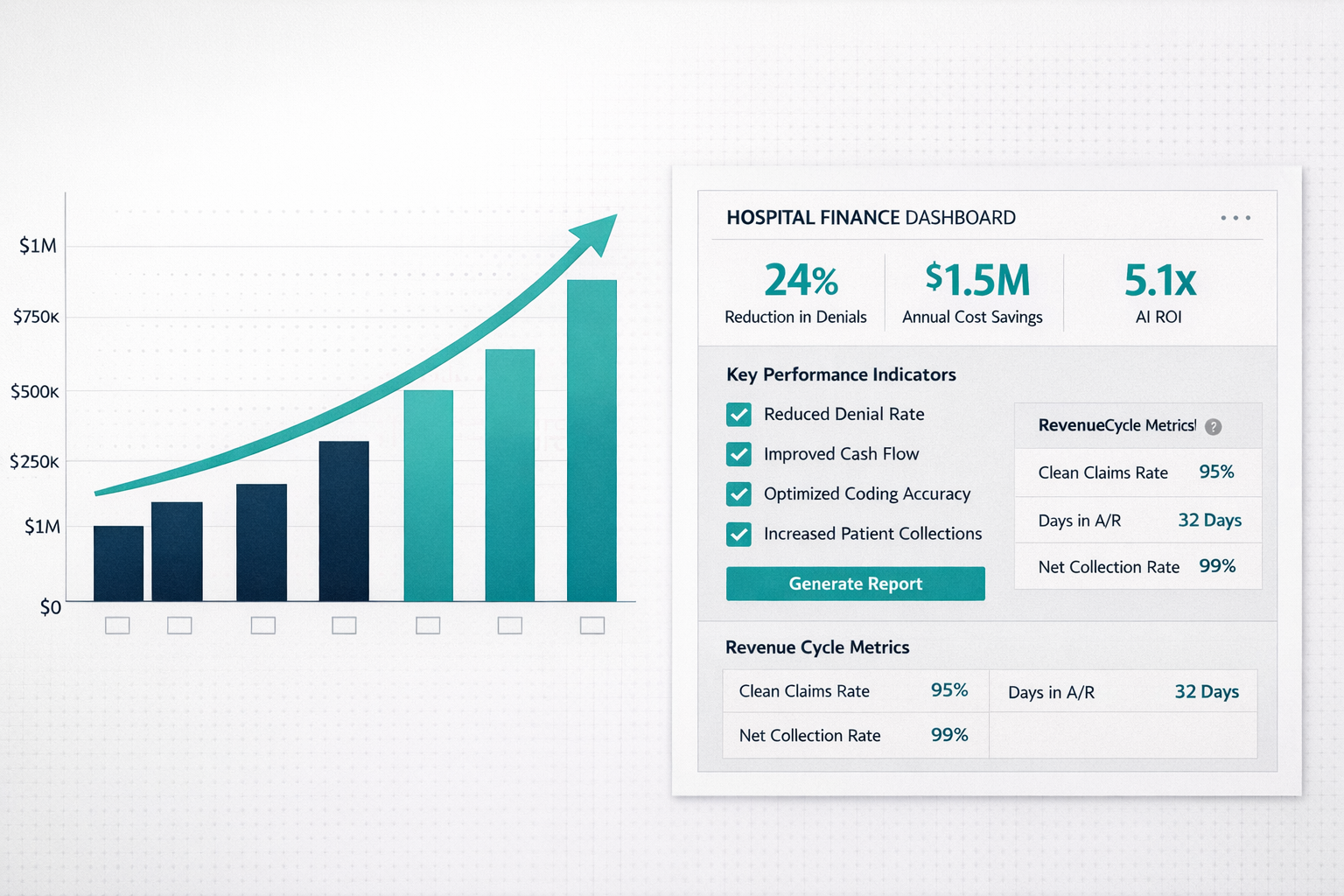
The AI ROI Gap: Why Health Systems Are Finally Getting It Right (And Where They're Still Getting It Wrong)
75% of health systems now use at least one AI solution. More than half of those that can quantify the return report 2x ROI or better. So why are so many organizations still unable to tell you what their AI is actually doing for them? The measurement gap is real — and in a margin environment this tight, it's one your revenue cycle can't afford.

AI Is Moving Inside the EHR. Revenue Cycle Leaders Should Pay Attention.
Artificial intelligence is no longer a side project in healthcare. It is moving directly into the electronic health record, becoming part of the operational infrastructure hospitals rely on every day. That shift will reshape documentation, coding, clean claim rates, and denial prevention. Revenue cycle leaders who understand what is happening inside the EHR will have a strategic advantage. Those who ignore it may spend the next decade chasing problems that could have been prevented upstream.
The AI Arms Race in Healthcare Finance: What the BCBS Study, Amazon, and the Prior Auth Deadline All Have in Common
Five separate headlines this week. One underlying problem. Payers, big tech, and the federal government are all moving on a timeline that wasn't set by waiting for providers to catch up. Here's what the BCBS coding study, Amazon's Health AI expansion, and the January 2027 prior auth deadline have in common, and what revenue cycle leaders need to do before the gap gets any wider.

When Providers Prefer “Premium” Plans: The OhioHealth Case and What It Signals for 2030
A federal lawsuit against OhioHealth alleges the system blocked lower-cost health plans from expanding in its market. The case raises uncomfortable but important questions about how hospitals protect commercial reimbursement and how market dominance shapes employer plan options.
While the legal outcome remains uncertain, the broader signal is clear: provider-side market power is under scrutiny. If enforcement efforts increase, dominant regional systems may face pressure on premium commercial contracting strategies that have historically supported cross-subsidization.
In this analysis, I explore what the OhioHealth case reveals about structural margin tension, affordability, and how revenue cycle leaders should be thinking about contracting assumptions as we move toward 2030.

Lawmakers Are Challenging Vertical Integration. Revenue Cycle Leaders Should Pay Attention.
Legislation aimed at breaking up vertically integrated insurers signals growing scrutiny of concentrated market power in healthcare. For more than a decade, integration across insurance, pharmacy benefit management, provider networks, and data platforms has reshaped negotiation dynamics between payers and hospitals.
Even if structural breakup does not occur immediately, increased regulatory attention changes the operating environment. Market configuration affects contract leverage, denial patterns, data access, and payment predictability.
In this piece, I examine what renewed legislative pressure on vertically integrated payviders could mean for revenue cycle leaders planning toward 2030, and why market structure deserves as much attention as reimbursement rates.
CMS Is Signaling the Next Phase of Cost Control. Revenue Cycle Leaders Should Pay Attention.
Recent CMS updates and CMMI alignment pledges may look incremental on the surface, but together they signal something broader: cost containment is becoming the operating environment.
When payers align with CMMI access models and CMS emphasizes affordability and marketplace flexibility, the impact does not stop at policy headlines. It flows downstream into contract structure, reporting requirements, patient cost responsibility, and denial patterns.
For revenue cycle leaders, this is not background noise. It is early direction.
In this piece, I examine what the latest CMS and CMMI signals mean for margin pressure, patient balance exposure, and operational complexity between now and 2030.

AI Is Already Inside Your Revenue Cycle. Here’s the Real Risk.
AI is already embedded in healthcare operations. Oversight hasn’t kept pace.
Recent reporting shows nearly 20 percent of healthcare professionals are using unauthorized AI tools. At the same time, embedded EHR AI and autonomous coding platforms are expanding rapidly inside revenue cycle workflows.
None of this is inherently reckless. But when adoption moves faster than visibility, small shifts in documentation, coding, and denial patterns can go unnoticed.
This isn’t an IT side conversation. It’s a revenue stability issue.
In this piece, I break down what shadow AI, embedded EHR AI, and autonomous coding actually mean for revenue cycle leaders and why governance discipline matters more than speed.
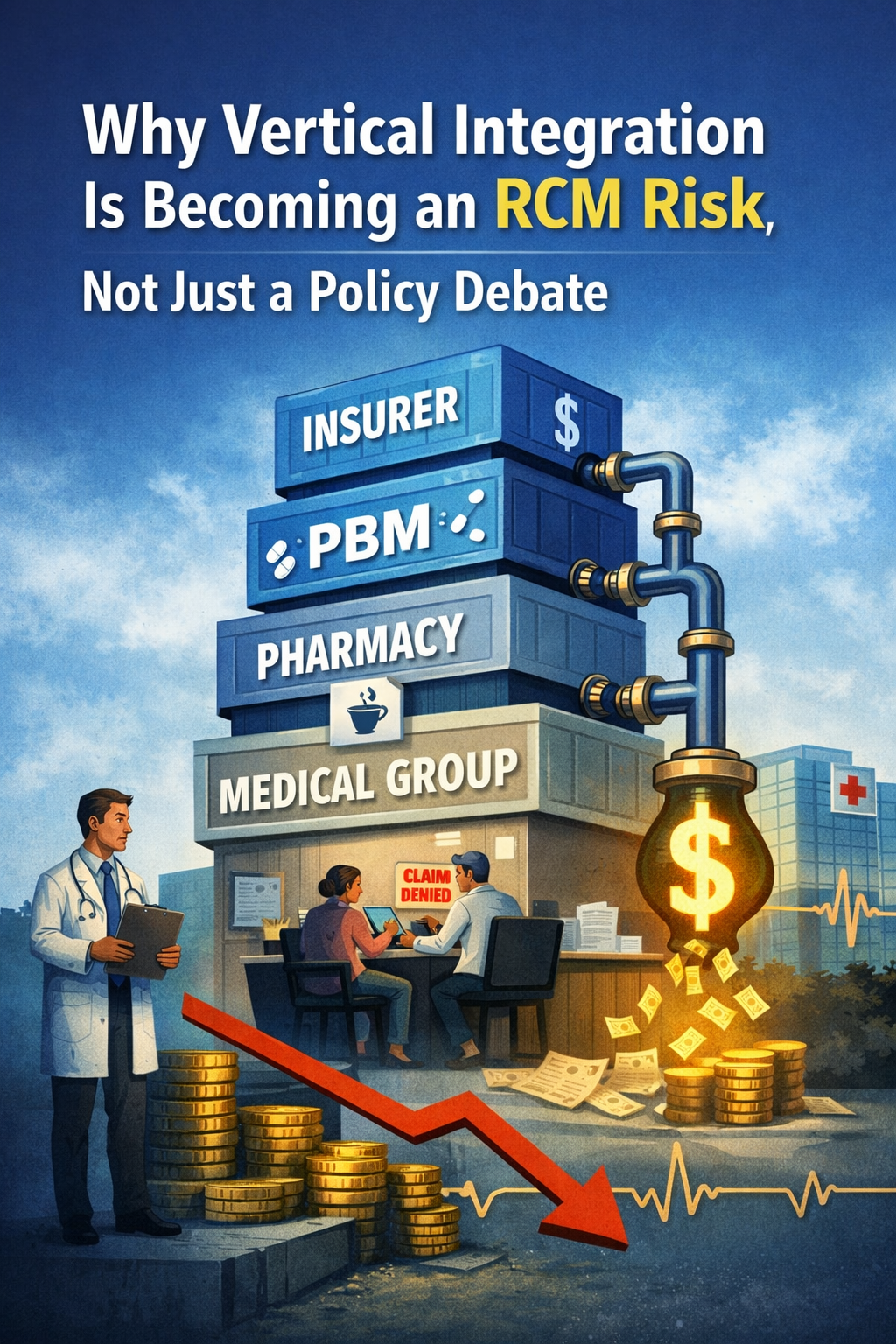
Why Vertical Integration Is Becoming an RCM Risk, Not Just a Policy Debate
Vertical integration is no longer just a policy debate. It’s a revenue cycle risk. Congressional hearings with payer CEOs exposed how control over prior authorization, denial definitions, and payment timing has shifted upstream. Hospitals can no longer treat RCM as an internal efficiency problem when structural forces outside their control increasingly determine cash flow and patient experience.

AI Isn’t Replacing Healthcare. It’s Exposing Where We Broke It.
AI in healthcare isn’t the disruption people fear. It’s revealing long-standing breakdowns in access, communication, and revenue cycle infrastructure, and forcing leaders to redesign for what comes next.
RCM 2030 Reality Check: What the Kaufman Hall Performance Outlook Reveals About the Next Decade
The Kaufman Hall 2025 Performance Outlook confirms a shift from growth to resilience. Here’s what rising costs, denials, access breakdowns, and workforce strain mean for RCM 2030.
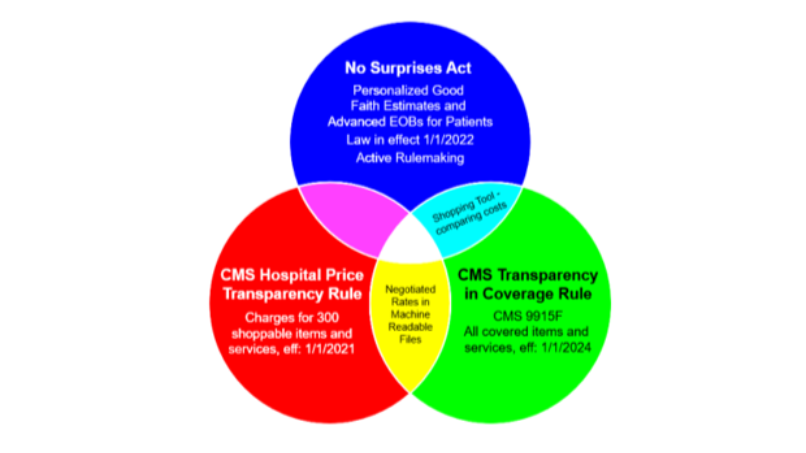
What the New Insurer Price Transparency Proposal Actually Changes
A new proposed rule would strengthen insurer price transparency requirements. Here is what is actually new, what is not, and why it matters for hospitals and CFOs.
AI Adoption in Hospital RCM Is Surging. Operations Are the Real Bottleneck.
Hospital adoption of AI in revenue cycle management is accelerating rapidly, but technology is not the limiting factor. Operational readiness is. New survey data shows AI is gaining traction in documentation, coding, and mid-cycle workflows, yet cost pressure, staffing constraints, and integration complexity are slowing progress. This post explains why operations, not AI skepticism, are now the real bottleneck.
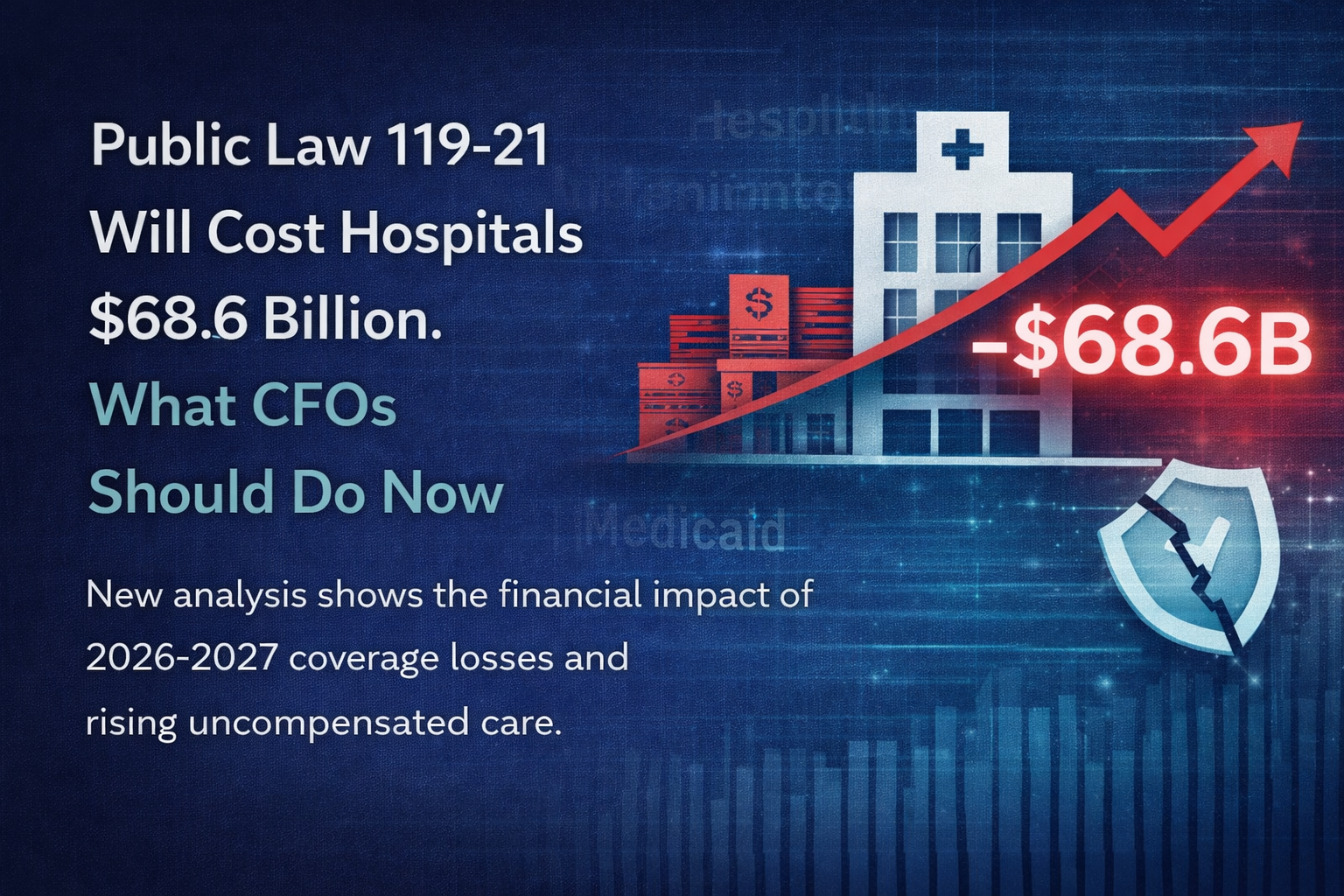
Public Law 119-21 Will Cost Hospitals $68.6 Billion. Here’s What CFOs Should Do Now.
New analysis from Premier estimates that Public Law 119-21 will reduce U.S. hospital revenue by $68.6 billion across 2026 and 2027, driven by coverage losses and rising uncompensated care. This is not a short-term adjustment but a structural shift in payer mix and margin protection. This post breaks down where the losses concentrate and what CFOs should do now to mitigate risk.
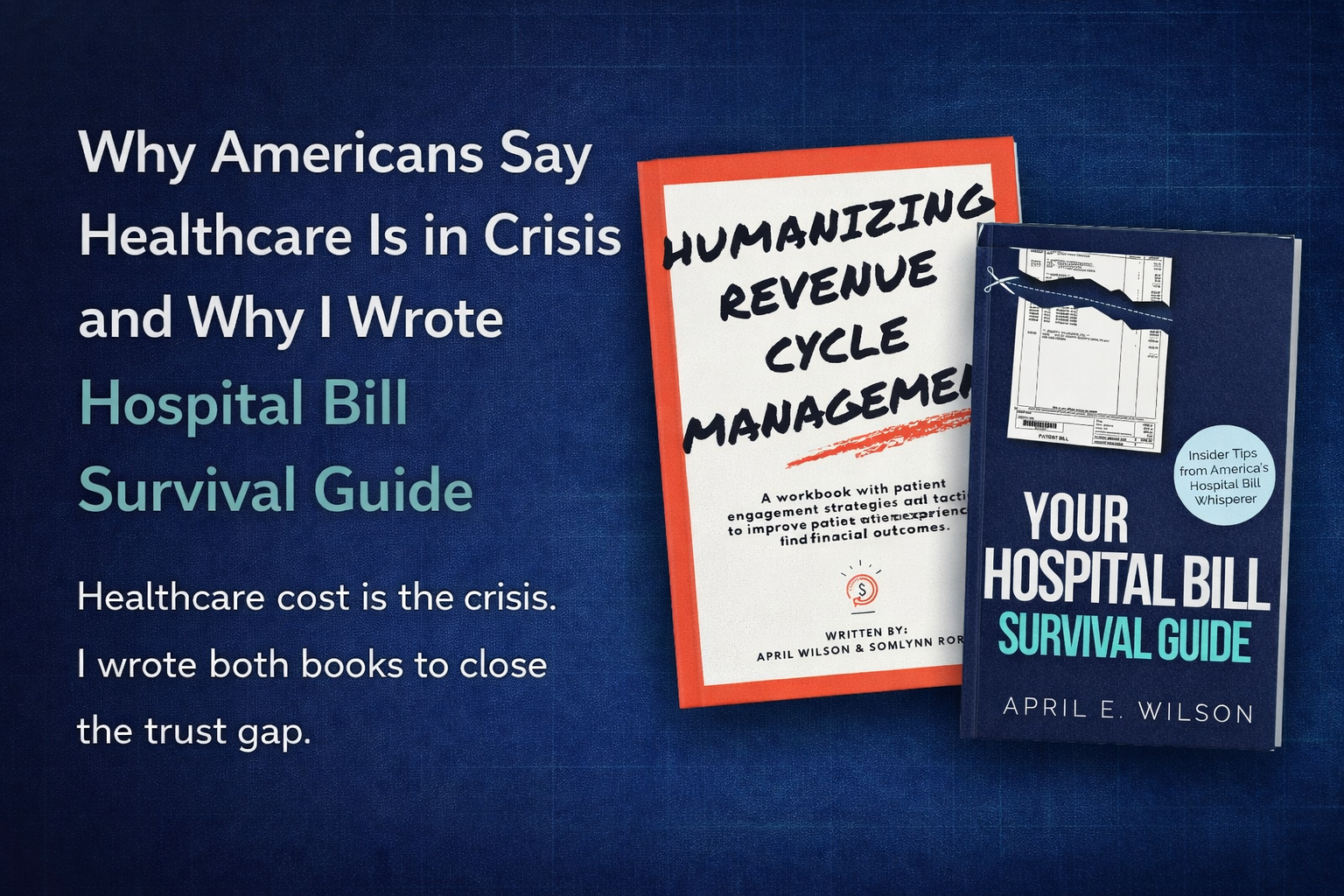
Why Americans Say Healthcare Is in Crisis — and Why I Wrote Hospital Bill Survival Guide and Humanizing Revenue Cycle Management
New Gallup data shows Americans now view healthcare cost as the country’s most urgent health problem, with trust in the system at a historic low. This post explains why the crisis isn’t about medicine, but about the financial experience, and why I wrote Hospital Bill Survival Guide and Humanizing Revenue Cycle Management to address the trust gap that billing systems continue to create.
CMS’s 24 New Quality Measures Are a Quiet Warning to Revenue Cycle Leaders
CMS’s proposal of 24 new quality and efficiency measures is not a routine update. It is a quiet signal of the future operating model for hospitals. Digital data submission, real-time coordination, and measurable patient engagement are no longer optional. This analysis explains why these measures matter to revenue cycle leaders and how they reinforce the shift toward a fully integrated, digital-first financial ecosystem.
Oracle’s Earnings Call Was Not About Healthcare. But Healthcare Should Pay Attention Anyway.
Oracle’s Q2 FY26 earnings call was framed as a cloud and AI infrastructure story, not a healthcare one. But buried inside it were signals hospital and revenue cycle leaders should not ignore.
This is not about Oracle stock or AI hype. It is about what large platform companies are trying to become. By 2030, the winners in healthcare technology will not be the loudest AI brands. They will be the ones that embed AI into workflow, unify data across systems, and reduce the cost of running the business.
Oracle made it clear it is chasing that future. Healthcare should pay attention.
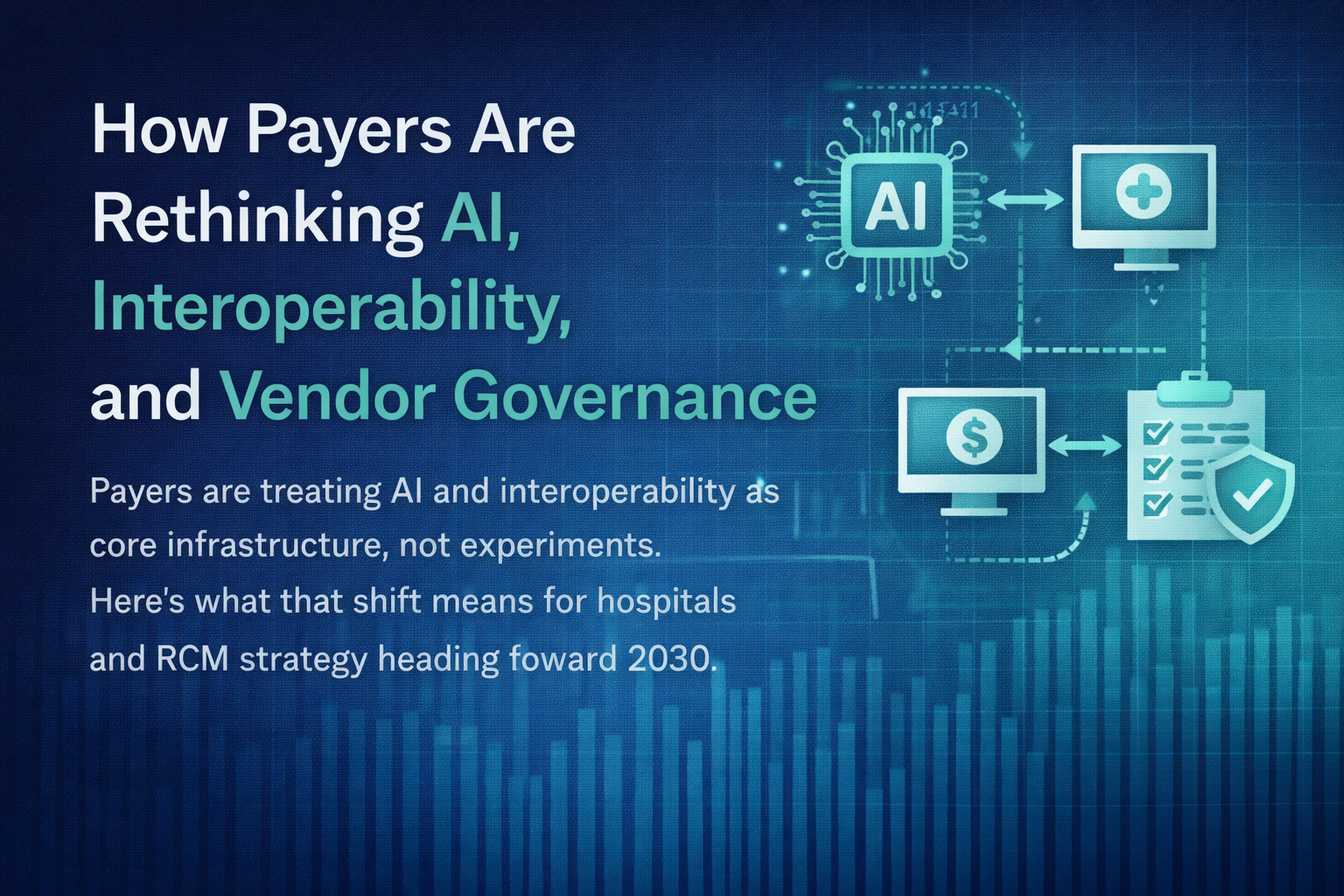
AI Is Becoming the New Infrastructure for Payers, and It Confirms a Major Shift Coming by 2030
A Fierce Healthcare article shows how payers are treating AI, interoperability, and vendor governance as core infrastructure rather than experimentation. This analysis explains what that shift means for hospitals and why it validates key predictions outlined in RCM 2030 about consolidation, transparency, and AI maturity.
Fitch’s 2026 Hospital Outlook Confirms a New Financial Reality for Nonprofit Systems
Fitch’s 2026 outlook confirms that nonprofit hospital margins are stabilizing, but at a permanently lower level. Structural pressures tied to payer mix, labor, and Public Law 119-21 are reshaping what financial sustainability looks like. This analysis explains why hospitals must stop planning for a return to “normal” and start designing a new operating reality for 2026 and beyond.